

Resources & Media
A little time for yourself.
Listen to an affirmation recording, follow a breathing guide, or watch a session. You will also find moments from events and community work I have taken part in.
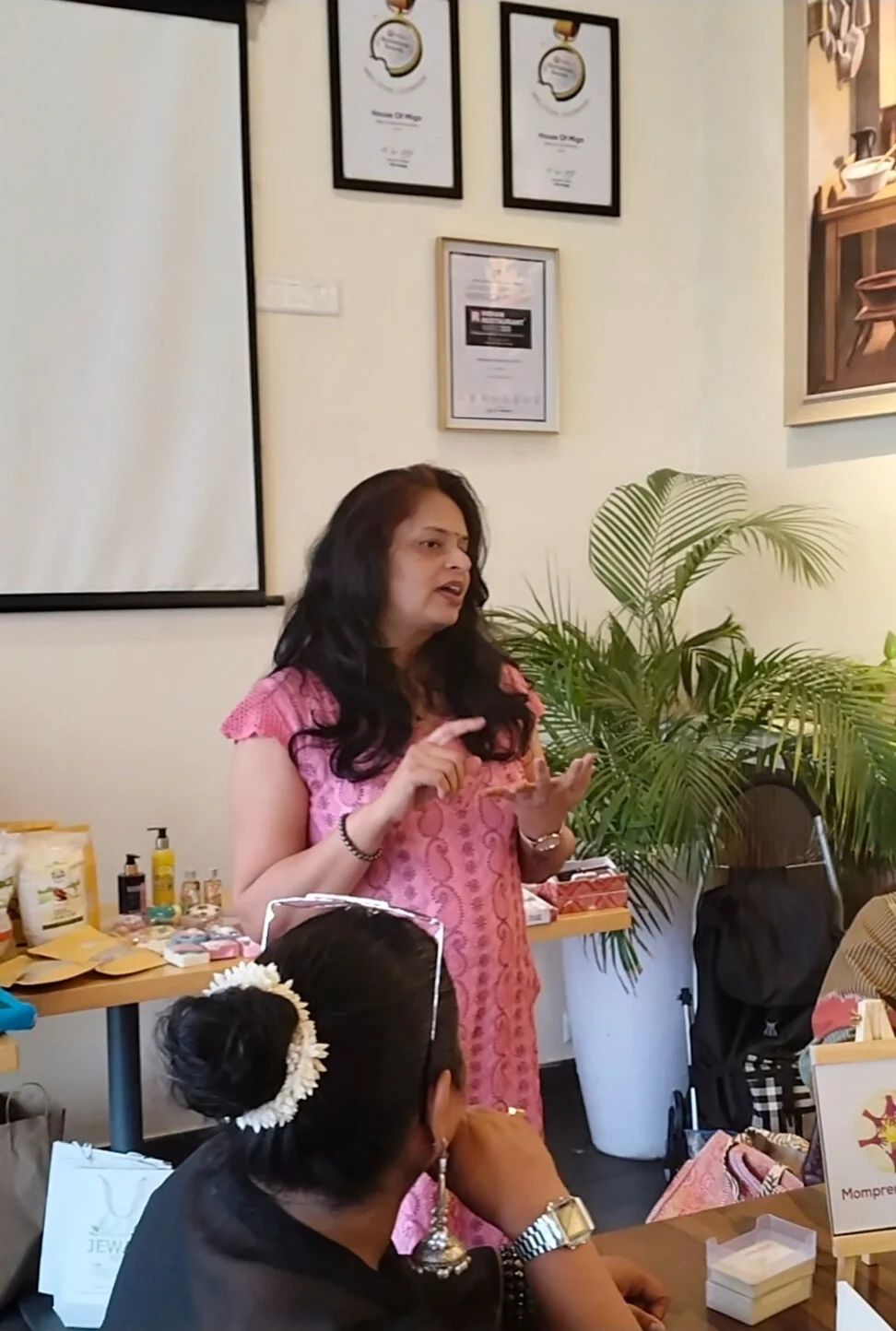
Pause now
Try a short breathing pause.
Use the simple guided rhythm on the home page whenever you want a brief, gentle pause. Keep the breath comfortable and stop if you feel unwell.
Audio affirmations
Listen in your own time.
Listen in your own time and at a comfortable volume. These recordings are offered as reflective wellbeing resources, not medical treatment.
Photo gallery
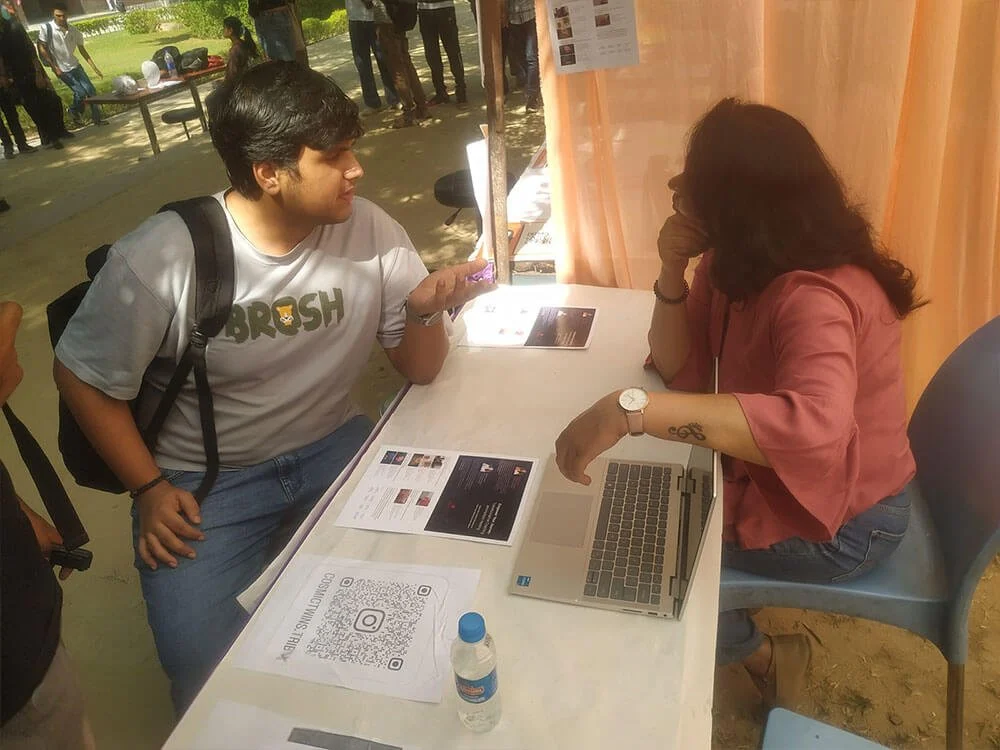
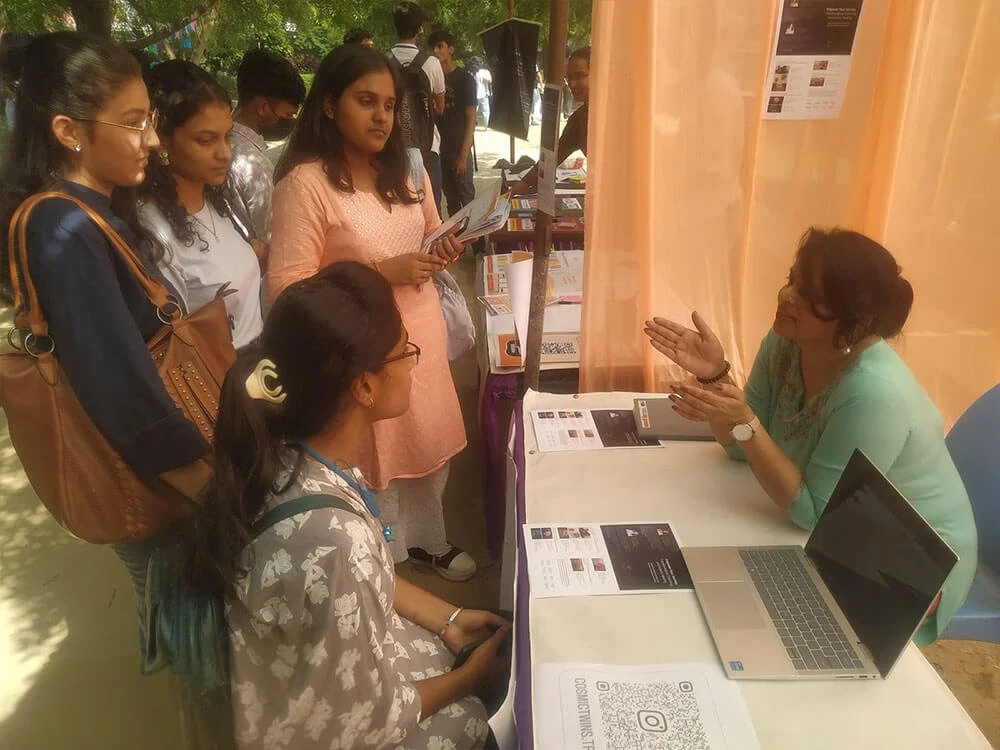
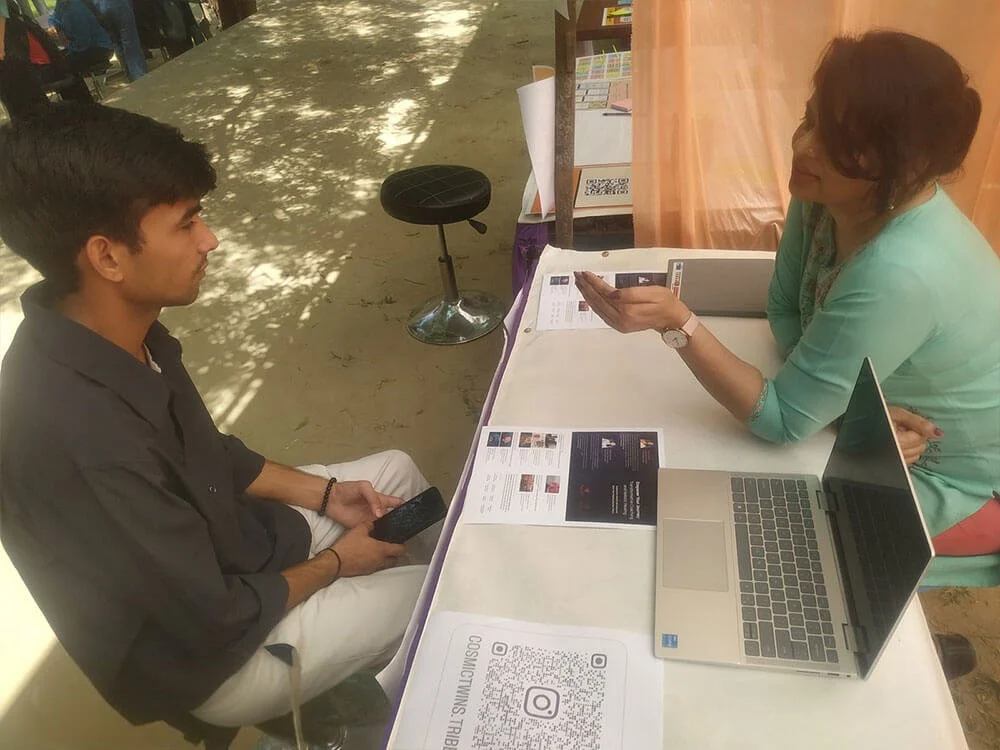
Mental Health Awareness Camp
Selected moments from 8–9 October 2024 at Aryabhatt College, Delhi University.
Video gallery
Sessions and shared experiences.
Meditation, yoga and conversations from Surging Soul. These videos open a YouTube player when you choose to load them. For captions, check the player’s CC controls.
Sliding into the Meditation
This video is hosted on YouTube. Loading it connects to YouTube.
Surrender for the Session
This video is hosted on YouTube. Loading it connects to YouTube.
Yoga Session
This video is hosted on YouTube. Loading it connects to YouTube.
Online Yog Nidra Session
This video is hosted on YouTube. Loading it connects to YouTube.
Experience Sharing · Ratna
This video is hosted on YouTube. Loading it connects to YouTube.
Experience Sharing · Aravali
This video is hosted on YouTube. Loading it connects to YouTube.
Factopedia
A closer look at familiar ideas.
Notes on the brain, attention, movement and music. Follow the sources if you would like to read more.
The brain and body communicate
Your gut has its own network of nerves and exchanges signals with your brain. The heart also contains nerve cells involved in regulating how it works. These are connected parts of the body’s nervous system.
Read more: NIDDK on the digestive system and research on the heart’s nerve cells.
What mindfulness means
Mindfulness involves paying attention to the present moment without judging it. Meditation may support wellbeing, but people respond differently and research findings vary.
Read more: NCCIH on meditation and mindfulness.
Movement and mood
Physical activity can support mood and sleep. In adults, a session of moderate or vigorous activity can reduce short-term feelings of anxiety. The benefits of an active routine can build over time.
Read more: CDC on the benefits of physical activity.
Music and wellbeing
Music can affect how we feel. Researchers have observed dopamine’s role in pleasure from music, and some music-based interventions may help with anxiety. Effects vary with the person and setting.
Read more: research on music and reward and NCCIH on music and health.
These notes are for general learning, not diagnosis or treatment. Continue any medical or mental-health care you need.